On a Tuesday morning, nothing feels unusual.
The coffee still costs a little more than it used to. The rent went up again this year. Groceries are noticeably higher—but manageable, at least for now. Life goes on.
Until one day, you check your balances—and realize something has changed. You’re not just getting by anymore. You’re juggling.
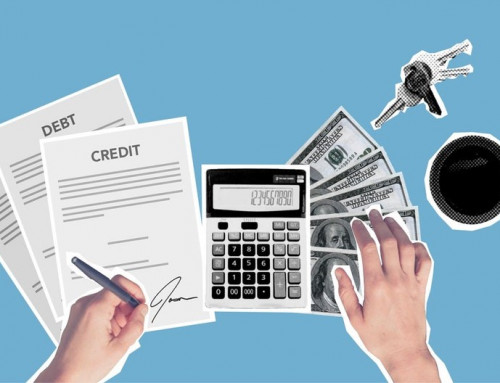
Across the country, this experience is becoming the norm. U.S. household debt has now reached $18.7 trillion, the highest level ever recorded. But this number isn’t just a headline—it’s millions of individual stories, unfolding quietly over time.
How Debt Became a Daily Companion
A decade ago, debt often had clearer boundaries. A mortgage. A car loan. Maybe a credit card. Today, it’s layered.
Consider a typical household:
- A credit card for everyday purchases
- A personal loan from an emergency expense
- A car payment with rising interest
- Student loans still lingering in the background
Each one may feel manageable on its own. Together, they create something heavier—a constant financial undertow.
And it didn’t happen overnight.
The Slow Build
For many Americans, the shift began with rising costs.
Rent increased faster than wages. Healthcare bills became less predictable. Groceries crept up week after week. At the same time, access to credit became easier than ever—just a tap, a swipe, or a quick approval online.
Then came economic disruptions. Job uncertainty. Reduced hours. Unexpected expenses. Debt filled the gaps.
Not as a long-term strategy—but as a short-term solution that slowly became permanent.
The Hidden Weight
What does $18.7 trillion actually feel like?
It feels like hesitation.
- Pausing before every purchase
- Checking your account balance more often
- Delaying savings because there’s nothing left to save
It’s not always dramatic. In fact, it’s often subtle. That’s what makes it so powerful. Debt becomes part of the routine.
Why It’s Harder to Escape Today
Modern debt isn’t just larger—it’s more complex. Interest compounds across multiple accounts. Payment due dates don’t align. Minimum payments keep balances alive longer than expected.
And perhaps most importantly: many people don’t feel like they’re doing anything wrong. They’re working. Paying bills. Keeping up as best they can.
But the system itself has changed.
Rewriting the Story
The national number may feel overwhelming—but financial change still happens at the individual level.
It starts with awareness:
- Knowing what you owe
- Understanding where your money goes
- Identifying which debts cost the most
Then, small steps:
- Prioritizing high-interest balances
- Reducing reliance on revolving credit
- Creating a realistic, not perfect, plan
Progress doesn’t happen all at once. But it does happen.
Because behind every trillion-dollar statistic is something much smaller—and more powerful: A single decision to take control.